













Why customer experience matters

Customer service experience isn’t just about being helpful—it’s about removing obstacles, building trust, and keeping momentum moving forward.
- It reduces friction (and friction kills sales). The easier it is to get help, the more customers follow through instead of dropping off mid-journey.
- It turns “support” into a revenue moment. Fast, helpful answers keep deals moving, increase upgrades, and protect renewals.
- It protects your reputation at scale. One great interaction can earn a review or referral; one bad one can spread just as fast.
- It builds trust when it matters most. When something goes wrong, a human response and real empathy are what keep customers loyal.
Key customer experience statistics
Here are 15 customer service industry statistics every business owner should understand when evaluating their customer service strategy.
Here’s what today’s CX data tells us:
- 80% of customers say experience is as important as products or services.
- 73% consider customer experience a key factor in purchasing decisions.
- 52% will switch brands after one bad experience.
- 58% of customers say their issue feels only partially resolved or resolved.
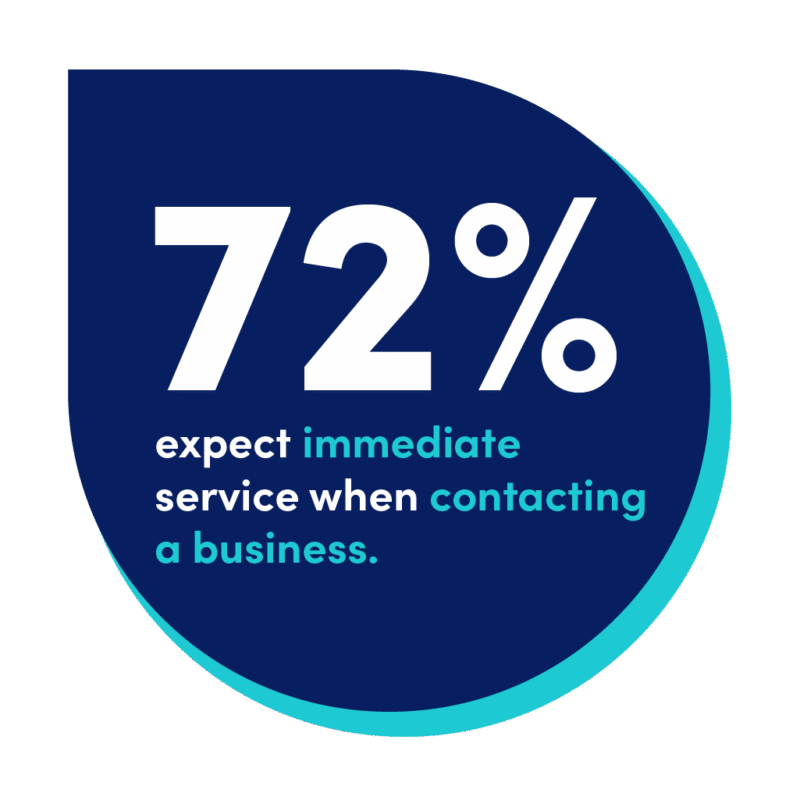
- 72% expect immediate service when contacting a business.
- 79% expect consistent interactions across departments.
- 73% expect personalization to improve as technology advances.
- 61% feel most companies still treat them like a number.
- 75% prefer speaking with a real human for customer support.
- About half of customers cut back their spending after a bad experience.
- Bad customer service can be a dealbreaker: 45% say they’ve left a brand because support let them down.
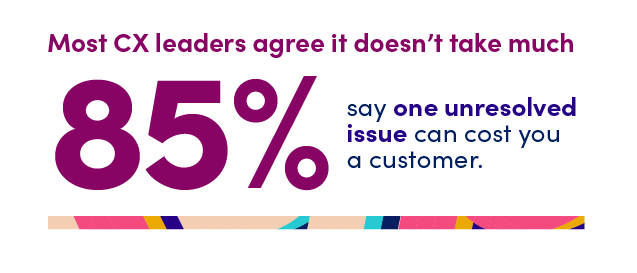
- Most CX leaders agree it doesn’t take much—85% say one unresolved issue can cost you a customer.
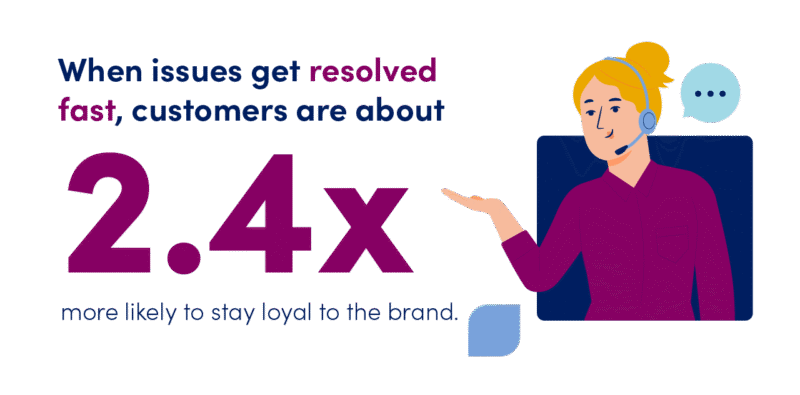
- When issues get resolved fast, customers are about 2.4x more likely to stay loyal to the brand.
- A surprising number of texts go nowhere: 53% of consumers say a business never replied to their message.
- 87% of live chat conversations receive a positive satisfaction rating, with 60% of customers saying they’re more likely to return to a website that offers live chat.
Actionable takeaways for marketers and business leaders
So, what do these statistics mean for your business? Here are a few actionable steps we can identify by analyzing the overall trends:

- Reduce friction at high-intent moments. Missed calls, slow responses, and confusing handoffs cost revenue. Make it easy for customers to get help when they’re ready to buy.
- Balance technology with human connection. Automation can support efficiency, but customers still expect access to real people—especially for urgent or complex issues.
- Design for consistency. Customers don’t care which department they’re talking to. They expect one seamless experience across every interaction.
- Treat CX as a growth lever. Better experiences don’t just reduce churn—they increase conversions, loyalty, and long-term value.
For many businesses, improving customer experience starts with better phone answering. Services like Ruby help ensure every call is handled by a friendly, professional human who represents your brand well—so opportunities aren’t missed and customers always feel heard!